
Common repairs, $150–$600
Elements, thermostats, thermocouples, relief valves: the parts that actually fail, fixed in a single visit. Most no-hot-water calls land here.
Most dead hot water systems are one failed part, not a funeral. We diagnose before we quote, carry the common parts on the van, and get Castle Hill households back under a hot shower the same day, keeping the new-system conversation for tanks that have genuinely earned it.
Here is the industry’s quiet incentive problem: a thermostat is a modest job and a new system is a four-figure one, so guess which gets recommended to people standing in cold water. Yet the actual failure list is boringly repairable, electric tanks lose elements and thermostats, gas units lose thermocouples and pilot assemblies, continuous-flow systems flash error codes that decode to a sensor or a flow fault. Metered, tested and swapped, most of these are same-day fixes at a fraction of replacement money.
Our rule in Castle Hill is simple: the multimeter and manometer speak first. When the verdict is a part, you get the part. When a tank is genuinely at the end, cylinder weeping, second major failure, double-digit age: you get both numbers side by side and the reasoning in plain English. What you will never get is a replacement quote built on nothing but your cold shower and our convenience.

Capacity complaints are usually a sizing problem rather than a fault: two showers at once, or a bath while the dishwasher runs, exceeding what the unit was specified to deliver. Worth diagnosing before replacing anything.
In an apartment this is the first question, because it decides who arranges and pays for everything that follows. A unit inside your lot serving only your apartment is yours. A central plant serving the building, or a unit sitting on common property, is the owners corporation's.
Check your strata plan before you authorise work, not after. It is the difference between a bill you owe and one you can hand on.
A storage tank holds a lot of water, and in a block it has neighbours underneath. A slow leak that would be a nuisance in a house is a damage claim in an apartment.
Castle Hill sits high in Sydney’s Hills District (postcode 2154), a leafy, established suburb bordering Baulkham Hills, Cherrybrook, West Pennant Hills and Kellyville. From older brick homes on generous blocks to the newer townhouses around Castle Towers and the Metro, its drains see everything, and we know the local ground well.
If yours sits in an internal cupboard, check that the safe tray beneath it drains somewhere and is not blocked with dust and lint. That tray is the only thing between a failed tank and the ceiling below, and it is almost never inspected.
Instantaneous units suit apartments well: no stored water to fail into the building, no cylinder taking up a cupboard, and no recovery time when several people shower in sequence.
The trade-off is that they need adequate gas supply and correct flue arrangements, which in an older block is not always straightforward. It is worth establishing what the building can actually accommodate before choosing a replacement.
Hot water systems give more notice than they get credit for. Rusty or discoloured hot water, a recovery time that has quietly doubled, a relief valve that has started weeping continuously, banging or rumbling from the tank, or damp around the base.
Any one of those is worth a look. Together they are a unit telling you to choose the replacement date yourself rather than have it chosen on a winter morning.
A tank that no longer lasts the morning is usually not broken. Sediment builds in the base and insulates the element, so less of the cylinder is genuinely being heated, and the element works harder for a smaller result.
Flushing the tank restores much of it. If flushing does not, the household has grown or the habits have changed, and the honest answer is that the tank is now undersized rather than faulty.
A tank that is leaking or making noise is holding heat and pressure, and it deserves respect rather than investigation. Close the cold water inlet at the top of the unit if you can reach it safely, and switch off its power or gas.
Beyond that, leave it. Whether it needs attention tonight depends on where the water is going, onto the ground outside is a morning job, into a wall, ceiling or cupboard is not.
Elements, thermostats, thermocouples, relief valves: the parts that actually fail, fixed in a single visit. Most no-hot-water calls land here.
Gas valves, control boards on continuous-flow units, and bigger jobs on systems still worth the spend.
Like-for-like replacement when the tank is done. Gas storage runs $1,200–$2,200 installed.
Endless hot water, no tank to rust, and it frees the space the cylinder occupied.
After rebates. Costs the least to run of the lot, worth the numbers conversation on any replacement, not just the green one.
You see the repair number and the replacement number together, the decision is yours, made with both in hand. Figures here are indicative of the 2026 Sydney market rather than a quote from us, you get your own number as a fixed price before any work starts.

System type, rough age, what it is (not) doing: enough to load the likely part before the van leaves, which is what makes same-day real.
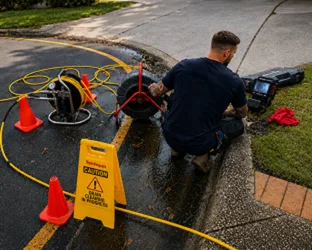
Elements metered, gas sequences traced, codes decoded. Diagnosis is a measurement, not a sales opportunity.
A live part gets fitted then and there. A dying tank gets you both prices, the reasoning, and zero pressure.
Repairs run same-visit; standard replacements called in early usually shower hot the same evening, installed to spec, old unit gone.
Early calls usually shower hot the same night. Tell us the system on the phone and the likely part rides out on the van.
Instruments before invoices, parts before replacements, and a fixed price before either.

Leave your details and our local Castle Hill team will call you back fast.